Education

It’s Time to Leave the Prohibition Era Behind

For decades, cannabis has operated under rules shaped more by prohibition than by modern agricultural or food standards. That legacy still shows up today. Even as hemp-derived cannabinoids are legally produced and sold across the country, the industry is navigating a fragmented system with unclear definitions, inconsistent enforcement, and wide swings in quality from one product to the next.

At this stage in the industry’s development, the challenge is not demand. It is the lack of shared standards and a regulatory foundation. At Superior Molecular, we believe stronger standards and clearer regulations are not a threat to cannabis. They are the next step towards long-term credibility and growth.


The Limits of a Prohibition-Era System

Prohibition did more than restrict access to cannabis. It prevented the industry from building the basic infrastructure that supports legitimate agricultural and food commodities. In established categories such as corn, soy, hops, alcohol, and food additives, there are enforceable definitions, shared quality benchmarks, and regulatory oversight. These systems make it possible for products to be valued, insured, traded, and trusted at scale.

Hemp-derived cannabinoids are still catching up. Today, a product can be labeled “hemp” with little consistency around how it was grown, processed, tested, or formulated. Without clear, enforceable standards, there is no reliable baseline for quality or safety and no meaningful way for consumers or partners to compare one product to another.

This gap is compounded by a widely held but incorrect assumption that cannabis products are subject to the same basic protections as food or pharmaceuticals. According to a 2022 study conducted by The Harris Poll on behalf of SIPCA, nearly 80% of American cannabis consumers believe cannabis products are produced using consistent safety standards, regardless of where they are legally purchased.

From the 2018 Farm Bill to state-level rule changes, hemp-derived cannabinoid regulation has developed in a fragmented and inconsistent way. While the Farm Bill legalized hemp, it did not establish clear federal standards for processing, testing, labeling, or enforcement. As a result, products like delta-8 THC are sold in a variety of communities without quality and safety requirements.

That lack of clarity does not just confuse consumers. It holds the industry back.


Why Standards Matter for Responsible Operators

For operators doing things the right way, this environment creates real friction. Investing in compliant sourcing, robust testing protocols, documentation, and formulation discipline takes time and resources. Yet without consistent oversight, those efforts are often invisible on the shelf and compete directly with products that cut corners or operate in regulatory gray zones.

Clear regulations establish a shared language across the supply chain. They define what a product actually is. Just as importantly, they define what it is not. They introduce accountability where it has been missing. They also give responsible manufacturers the ability to differentiate themselves based on quality, safety, and performance rather than price or marketing claims.

For any agricultural commodity to be valued, there must be a reliable basis for comparison. That starts with standards.


Regulation Enables Innovation + Sustainability

One of the most persistent misconceptions in cannabis is that regulation stifles innovation. In practice, the opposite is true. What slows innovation is uncertainty. When expectations around safety, labeling, and formulation are inconsistent or change depending on who is asking, teams spend more time navigating ambiguity than improving products.

Clear standards allow:

  • Manufacturers to innovate with confidence, knowing ingredients will perform consistently
  • Brands to scale without rebuilding compliance in every market
  • Retailers to stock products with greater trust
  • Consumers to enjoy safer, more consistent products that are accurately labeled and deliver the experience they expect

Long-term sustainability requires transparency, and everyone benefits when the rules are understood. Consumers need confidence that products are safe and labeled accurately. Regulators need visibility into how products are made and marketed. Businesses need a predictable environment where investments in quality are rewarded rather than undercut.


The Path Forward

The cannabis industry is no longer emerging. It is maturing. With that maturity comes the responsibility to build systems that support consistency, accountability, and long-term growth.

Clear standards and smart regulations are not about limiting opportunity. They create a foundation where real operators can thrive, innovation can flourish, and cannabis can step fully into the modern marketplace. Consumers gain confidence in the products they use, regulators gain clarity in oversight, and businesses are rewarded for investing in quality and safety.

At Superior Molecular, we have built our business around this future, even when it required more effort and higher standards. The industry now has the opportunity to do the same—and in doing so, unlock its full potential.


Water Soluble vs. Oil Based Cannabinoids

Cannabis is a complex plant with over a hundred known cannabinoids. Two of the most well-known cannabinoids are THC and CBD, which have been extensively studied for their health benefits. These compounds are typically extracted from the hemp plant and formulated into oil-based products like tinctures, capsules, and topicals. However, recent advancements in technology have made it possible to create water-soluble cannabinoids that offer several benefits over their oil-based counterparts.

Water-soluble cannabinoids are extracted from the plant using advanced nanotechnology and emulsification techniques. These processes break down the cannabinoids into smaller particles that can be dispersed in water. This allows the cannabinoids to be easily absorbed by the body, providing faster and more efficient results.

The primary benefit of water-soluble cannabinoids is their versatility. They can be added to a wide range of products, including beverages, food items, and even cosmetics. Unlike oil-based products, water-soluble cannabinoids do not separate or float to the top of liquids, ensuring that the entire dose is consumed. This makes them an ideal choice for food and beverage manufacturers looking to add the benefits of cannabinoids to their products.

Another advantage of water-soluble cannabinoids is that they offer a more precise and consistent dosage. Since the cannabinoids are evenly dispersed in water, each serving will contain the same amount of cannabinoids. This is especially important for those who are using cannabinoids for medicinal purposes, as it allows for accurate dosing and reliable results.

In addition to their versatility and precise dosing, water-soluble cannabinoids are also more bioavailable than oil-based products. This means that the body is able to absorb and utilize more of the cannabinoids, resulting in a stronger and longer-lasting effect. This is because the body is mostly made up of water, and water-soluble cannabinoids are able to more easily pass through cell membranes and be absorbed by the body.

In conclusion, water-soluble cannabinoids offer several advantages over their oil-based counterparts. They are versatile, offering the ability to add the benefits of cannabinoids to a wide range of products. They offer precise dosing, ensuring that each serving contains the same amount of cannabinoids. And, they are more bioavailable, allowing the body to absorb and utilize more of the cannabinoids for a stronger and longer-lasting effect. With these benefits, it’s no wonder that water-soluble cannabinoids are quickly becoming the preferred choice for food and beverage manufacturers looking to add the benefits of cannabinoids to their products.

Cannabis Beverages in 2025: Trends, Benefits, and the Shift from Alcohol

As we move through 2025, the cannabis beverage market has matured from a niche novelty into a mainstream segment of the legal cannabis industry. With more states legalizing and refining regulations — and consumer curiosity at an all-time high — cannabis-infused drinks are competing directly with alcoholic beverages in both social and wellness spaces.

Expanding Variety and Availability

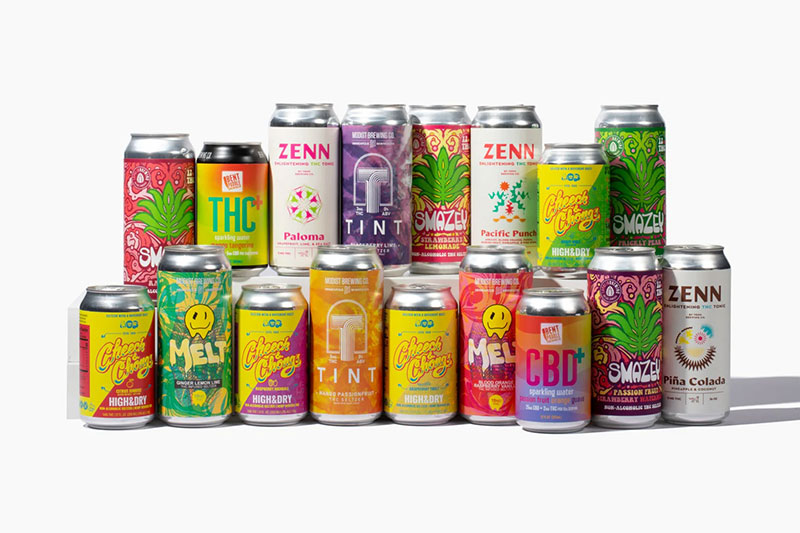
Today’s cannabis beverage shelves are more diverse than ever. Beyond the early lineup of seltzers and teas, you’ll now find ready-to-drink mocktails, non-alcoholic beers and wines, functional tonics, sparkling adaptogen blends, and even protein shakes infused with cannabinoids. This expansion makes it easier for consumers to find a beverage that fits their taste, dietary preferences, and lifestyle goals.

Health & Wellness Advantages Over Alcohol

Cannabis beverages continue to attract those seeking alternatives to alcohol. Unlike alcohol — which carries risks of addiction, liver damage, and other long-term health concerns — cannabis is generally considered less addictive and has a different risk profile. Many consumers choose cannabis beverages for their potential benefits, such as pain relief, stress management, better sleep quality, and mood support. The “Cali sober” lifestyle — avoiding alcohol but still enjoying cannabis — has grown in popularity, and beverages fit seamlessly into that choice.

The Rise of Low-Dose & Balanced Formulations

In 2025, precise, low-dose cannabis drinks dominate growth. Standard offerings often range between 2–5 mg of THC per serving, allowing for a gradual, controlled experience that’s approachable for beginners and social settings. Many products also pair THC with CBD or minor cannabinoids (like CBN or CBG) for tailored effects — from relaxation to focus — without overwhelming intoxication.

Functional Cannabis Drinks

A major growth area has been functional beverages, which combine cannabis with other active ingredients for synergistic benefits. Examples include:

  • Adaptogen blends with ashwagandha or reishi mushroom for stress resilience

  • Anti-inflammatory formulas with turmeric, ginger, or black pepper extract

  • Energy-boosting drinks with green tea or yerba mate alongside THC or CBD
    This overlap with the wellness drink market blurs the line between cannabis products and mainstream health supplements.

Predictable Onset & Social Appeal

With advancements in water-soluble cannabinoid technology, most cannabis beverages in 2025 offer onset times between 10–20 minutes, a big improvement over earlier products. This makes effects easier to time and control, with a duration often shorter than edibles but longer than inhalation. Plus, cannabis beverages avoid the dehydration and next-day hangovers associated with alcohol, making them more appealing for those who want to enjoy social events without feeling sluggish afterward.

The Bottom Line

The cannabis beverage category is no longer an experimental side-show — it’s a legitimate competitor to beer, wine, and cocktails. In 2025, consumers have access to:

  • A broader range of flavors and formats

  • Health-conscious, low-dose, and functional options

  • Predictable effects and social-friendly experiences

As innovation and consumer education continue, cannabis beverages are positioned to become a staple for both wellness-minded individuals and those simply seeking a better night out — without the hangover.

The simple solution for bars and restaurants looking to add hemp offerings to their menu

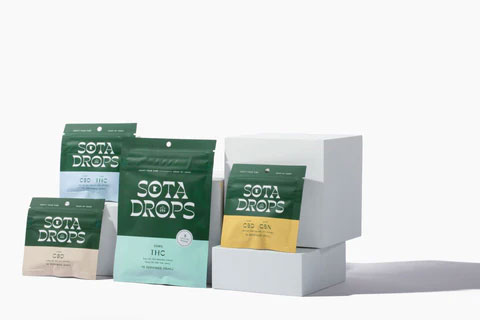
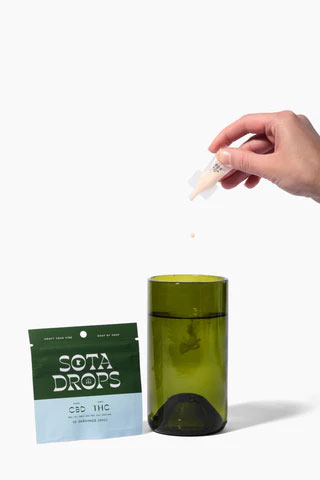
Sota Drops are the perfect addition to the bar and restaurant scene, offering a unique and convenient way to enhance the customer experience. Imagine your favorite bar or restaurant, where patrons can customize their beverages with a drop or two of Sota Drops to infuse their drinks with hemp-derived cannabinoids. Whether a refreshing mocktail, or any other non-alcoholic option, Sota Drops provide a versatile and flavorless option to elevate the overall dining or drinking experience.

What sets Sota Drops apart is their unparalleled convenience and variety of cannabinoids. With these flavorless enhancers, customers have the ability to dose their drinks as they prefer, ensuring a personalized and enjoyable experience. The resealable design allows for multiple uses, making it easy for patrons to adjust their desired cannabinoid level throughout the evening.

Bars and restaurants are increasingly recognizing the demand for non-alcoholic and alternative beverage options, and Sota Drops are perfectly positioned to meet this growing trend. The booming hemp beverage market presents a significant opportunity for establishments to tap into a new and exciting space without overhauling their existing offerings. By incorporating Sota Drops into their menu, bars and restaurants can cater to a broader clientele, accommodating those who seek an alcohol alternative or simply a unique and enjoyable beverage experience.


Whether it’s a bustling Friday night at a popular bar or a cozy dinner at a trendy restaurant, Sota Drops can be the game-changer that keeps customers coming back for more. With Sota Drops, bars and restaurants can offer a memorable, customized, and entirely new way for their patrons to savor the moment, all while staying ahead of the curve in the thriving hemp beverage industry.

Categories

Archives